Still Groggy After the Time Change? A 7-Day Sleep Reset

This article is for general information and is not medical advice. If you have insomnia, sleep apnea or another sleep condition, talk with your doctor or sleep specialist about what is right for you.
This post contains affiliate links. If you buy through them, we may earn a commission at no extra cost to you. As an Amazon Associate I earn from qualifying purchases.
Clocks went back one hour at 2 a.m. on Sunday, November 1, 2026. That was supposed to be a free extra hour of sleep. If you are still waking too early, dragging through the afternoon or lying awake at night, you are not imagining it. Your body clock does not move when the wall clock does, and it can take a few days to catch up.
The good news is that a few steady habits help. Below is a 7-day plan built from guidance by sleep specialists, followed by bedroom tweaks that make it easier to stay on track.
Why one hour can throw sleep off
Mass General Brigham notes that a mismatch between local time and your body’s internal rhythm can cause daytime sleepiness and trouble sleeping at night. Local weather coverage of this year’s change says the same thing: a one-hour shift can leave some people tired or out of sync for several days.
Falling back is generally considered easier on most people than springing forward. Still, “easier” is not the same as “effortless,” especially for light sleepers and anyone already dealing with insomnia.
Your 7-day plan
The idea is simple: stop fighting the clock with big changes and give your body a steady rhythm to follow. If you have a sleep condition or a schedule set by your doctor, follow their advice instead.
Days 1 to 2 (Monday and Tuesday)
- Pick one bedtime and one wake time and stick to them, even if you feel off. A consistent sleep schedule is one of the most common tips from sleep experts.
- Get outside in daylight early in the day. Natural light helps reset your body clock.
- Stop caffeine by early afternoon. Charles Czeisler, MD, PhD, a sleep specialist at Brigham and Women’s Hospital, says caffeine after 2 or 3 p.m. can interfere with sleep that night, and it can stay in your system for more than 10 hours.
Days 3 to 4 (Wednesday and Thursday)
- Keep meals on a regular schedule. Mass General Brigham suggests eating about an hour earlier than usual for a few days when the clocks change.
- Protect the morning. The sun now comes up an hour earlier by the clock. If early light wakes you, block it so you do not lose sleep you could have had.
- Wind down the same way each night. Dim lights, put the phone down, and keep the room cool and quiet.
Days 5 to 7 (Friday to Sunday)
- Hold the same schedule on the weekend. Sleeping in or staying up late can undo the progress you have made.
- Notice how you feel. Reports describe several days of adjustment, and it varies from person to person.
- If poor sleep continues for weeks, it may be more than the clock change. A doctor can help figure out why.
Make the bedroom do some of the work
When your body clock is confused, your bedroom can help it. A few low-cost changes:
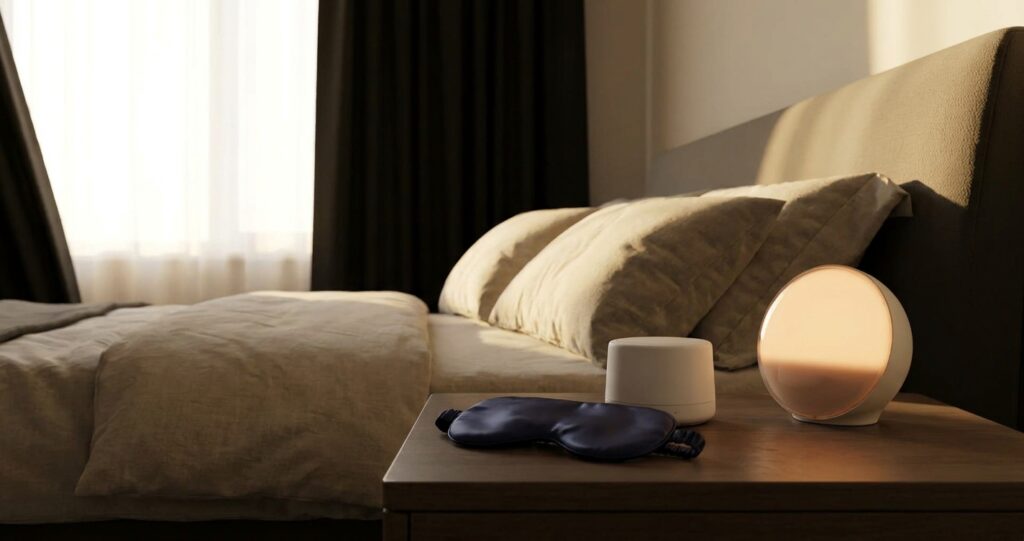
- Block morning light. Blackout curtains or a comfortable sleep mask can protect your sleep when the sun comes up early. See sleep masks on Amazon and blackout curtains on Amazon.
- Keep the room cool, quiet and dark. A white noise machine can cover early-morning sounds. See white noise machines on Amazon.
- Check your bed. If you wake up aching or notice lumps and sagging, the bed may be part of the problem. See [[LINK: mattress replacement guide or “How often to replace a mattress” post]].
- Consider a sunrise alarm clock. It brightens gradually and some people find it gentler than a loud alarm. See sunrise alarm clocks on Amazon.
Common questions
How long does it take to adjust to the time change?
Reports describe a few days for many people. It varies, and a steady schedule helps most.
Should I go to bed earlier to make up for feeling tired?
Sleep specialists quoted by Mass General Brigham note that you cannot clear sleep debt in one night. If you are regularly short on sleep, building a habit of going to bed earlier over time is a better approach than one big change. If you have a sleep condition, follow your doctor’s advice.
I already have insomnia. Should I do anything different?
Keep to your doctor’s or sleep specialist’s plan. The tips in this post are general and are not a treatment.
The short version
Pick a steady bedtime and wake time, get daylight early, cut caffeine by early afternoon, keep meals regular, and block the early sun. Small steady habits beat dramatic fixes.